The Introvert’s Guide to Solo Travel in Chaotic Cities: How to Explore without Burnout
Travel is often marketed as a high-energy, social activity. We see images of backpackers partying in hostels, group tours moving in loud packs, and busy street markets overflowing with people. For an introvert, these scenarios can trigger instant anxiety. Introverts process information deeply and require solitude to recharge, which can make navigating chaotic cities like Cairo, Bangkok, or New York feel overwhelming.
However, being an introvert does not mean you have to avoid bustling metropolises. In fact, introverts often make the best observers and cultural explorers. The key is not to change your personality, but to change your strategy.
This guide provides a survival toolkit for the introverted solo traveler. It is about managing your energy, finding pockets of silence, and enjoying the vibrancy of the world’s biggest cities on your own terms.

The Paradox of the Introverted Traveler
It is a common misconception that introverts are homebodies who hate adventure. On the contrary, many introverts have a rich inner world and a deep curiosity about other cultures. The challenge is “sensory overload.”
Chaotic cities bombard the senses: honking horns, aggressive touts, bright lights, and the constant need to navigate crowds. For an introvert, this rapidly drains the “social battery.” The goal of this guide is to help you extend that battery life so you can explore longer and deeper without crashing.
1. Master the Art of the “Anchor” Spot
When the city becomes too much, do not retreat to your hotel room immediately. Instead, find an “anchor.” An anchor is a public place where you can be alone in a crowd.
Coffee shops are the ultimate anchors. In cities like Hanoi or Istanbul, café culture is enormous. You can sit for hours with a single drink, people-watching from a safe distance. Bookstores and libraries are also excellent sanctuaries. They are universally quiet zones where the chaotic energy of the street drops away instantly.
Why this works
It allows you to remain “in” the destination without actively participating in the chaos. You are observing the culture, smelling the coffee, and hearing the language, but you have a physical barrier (a table) protecting your personal space.

2. Wake Up Before the City
If you want to see the most popular landmarks without the crushing crowds, you must embrace the early morning. Most tourists (and locals) in chaotic cities do not get moving until 9:00 or 10:00 AM.
If you arrive at the Trevi Fountain in Rome or the Charles Bridge in Prague at 6:30 AM, you will have the place almost entirely to yourself. The light is better for photography, the air is cooler, and the noise level is near zero.
The Introvert’s Golden Hour
Use the early morning for high-intensity sightseeing. By the time the loud tour buses arrive around 11:00 AM, you can be finished and heading to a quiet park or back to your room for a midday recharge.
3. The “Prop” Strategy
Feeling self-conscious about eating alone or sitting by yourself is a common worry for solo travelers. The solution is simple: bring a prop.
- A Book or Kindle: Signals that you are busy and content.
- A Notebook: Sketching or journaling makes you look like an artist or writer observing the scene.
- Headphones: The universal “do not disturb” sign. Even if you aren’t listening to music, wearing them can deter unwanted conversations from street vendors or overly chatty tourists.

4. Skip the Party Hostel
For extroverts, a 12-bed dorm room is a great way to make friends. For an introvert, it is a nightmare. Having no private space to decompress after a long day can lead to rapid burnout.
Prioritize your accommodation budget. If you cannot afford a hotel, look for “pod hotels” or capsule hotels (popular in Asia). They offer the price of a hostel but with a private, enclosed sleeping space. Alternatively, look for guesthouses or homestays with a domestic, quiet vibe rather than a social, loud one.
The “Private Room” Rule
If you must stay in a hostel, book a private room. Having a door you can lock and a space where you control the lighting and noise is essential for recharging your mental energy.
5. Curate Your Itinerary Around “Quiet Zones.”
Every chaotic city has quiet zones; you have to find them. When planning your day, sandwich a high-stress activity between two low-stress ones.
- Morning: Bustling Market (High Stress)
- Lunch: Takeout in a Botanical Garden (Low Stress)
- Afternoon: Museum or Art Gallery (Low Stress)
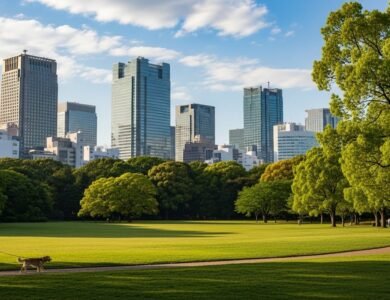
Museums are naturally introvert-friendly. They require silence, contemplation, and slow movement. Parks, cemeteries, and university campuses are other green flags for introverts looking to escape the concrete jungle.

6. Embrace “Slow Travel.”
Introverts often prefer depth over breadth. Rushing to hit 10 tourist spots in one day is exhausting and superficial. Instead, pick one neighborhood and explore it thoroughly.
Wander down side streets. Notice the architecture, the street art, and the local cats. Slow travel reduces the cognitive load of constantly navigating new transport systems and maps. It helps you become familiar with an area, reducing anxiety.
Conclusion
The world is not just for the loud and the outgoing. Introverts have a superpower when it comes to travel: the ability to notice details that others miss. By managing your energy, choosing the right accommodation, and using your “anchors,” you can navigate the most chaotic cities on earth with confidence.
So pack your headphones and your journal. The world is waiting for you, and you don’t need to shout to experience it.